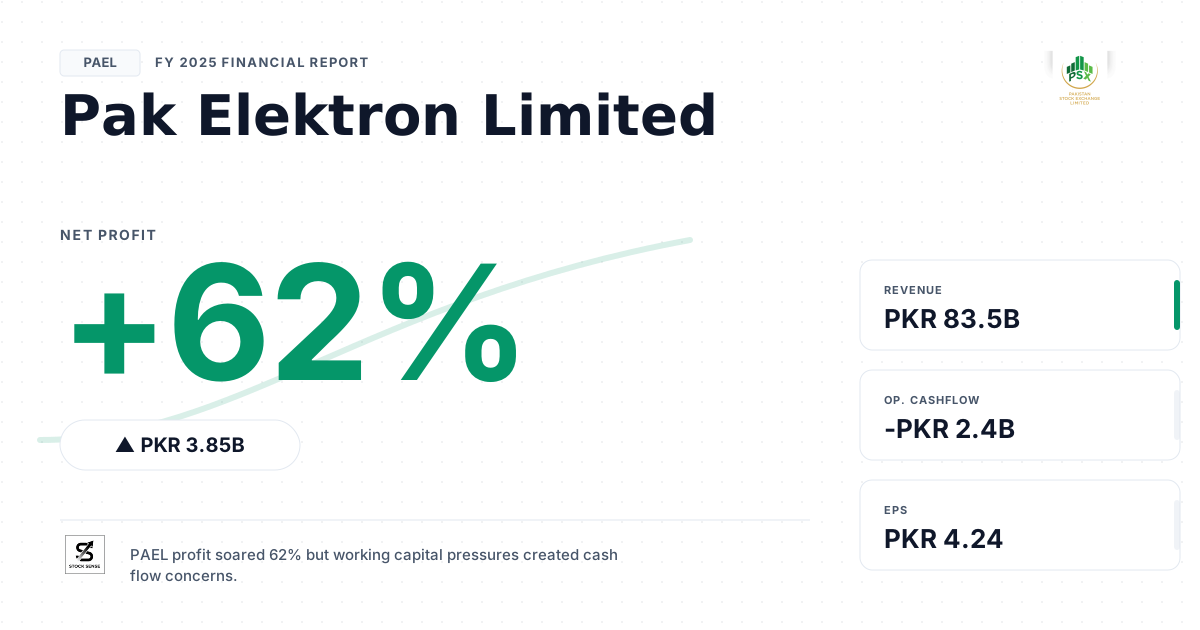
Pak Elektron Limited (PAEL) has reported a strong financial performance for the year ended December 31, 2025, showcasing a significant surge in profitability. While the company achieved impressive revenue growth and a substantial increase in net profit, investors should note the notable shift to negative operating cash flow, largely driven by increased working capital requirements.
Financial Performance
PAEL's top-line performance was robust, with revenue from contracts with customers growing by approximately 20% to PKR 83.5 billion in 2025, up from PKR 69.6 billion in 2024. Net revenue also mirrored this growth, reaching PKR 63.5 billion. Gross profit margin saw a slight improvement, rising to around 27% from 26.6% in the previous year, indicating effective cost management relative to sales.
Operating profit increased by about 10% to PKR 8.6 billion. However, the operating profit margin experienced a slight dip, primarily due to higher selling and distribution expenses, administrative costs, and a significant increase in impairment allowance for expected credit losses, which more than doubled to PKR 622 million.
A key highlight for profitability was the substantial reduction in finance costs, which decreased by approximately 30% from PKR 3.68 billion in 2024 to PKR 2.58 billion in 2025. This reduction played a crucial role in boosting the bottom line. Consequently, profit after income taxes soared by an impressive 62% to PKR 3.85 billion, resulting in basic earnings per share (EPS) jumping from PKR 2.72 to PKR 4.24.
On the balance sheet, total assets expanded to PKR 87.4 billion. While long-term borrowings decreased, short-term borrowings saw a significant increase, leading to an overall rise in total borrowings. Equity also strengthened, growing to PKR 49.4 billion.
The cash flow statement reveals a critical shift: net cash used in operating activities was PKR 2.4 billion in 2025, a reversal from the PKR 227 million generated in 2024. This negative operating cash flow was largely offset by a substantial increase in cash generated from financing activities, which surged to PKR 4.9 billion, primarily through increased short-term borrowings.
Key Drivers & Segments
The strong revenue growth suggests robust demand for PAEL's diverse product portfolio, likely spanning its appliances and electrical equipment segments. The significant reduction in finance costs was a primary driver for the improved net profitability, potentially reflecting lower average interest rates or a strategic restructuring of debt. However, the substantial increase in working capital, particularly in stock in trade (up by over 60% to PKR 20.7 billion) and trade receivables, indicates higher inventory levels and extended credit periods, which consumed a large portion of operational cash.
Management Actions & Strategic Signals
PAEL continued its capital expenditure program, with property, plant, and equipment increasing by over PKR 3 billion, signaling ongoing investment in expanding its operational capacity. The company also converted preference shares into ordinary shares, streamlining its capital structure. Notably, the announcement indicates no cash dividend, bonus shares, or right shares were recommended for the year, suggesting a focus on retaining earnings for internal growth and debt management rather than immediate shareholder payouts.
Investor Takeaway
For investors, PAEL's 2025 results present a mixed but largely positive picture. The exceptional growth in net profit and EPS is a strong indicator of the company's earning power, significantly aided by lower finance costs. This turnaround in profitability is a key positive. However, the shift to negative operating cash flow due to substantial investments in working capital (inventory and receivables) warrants close monitoring. While this could be a sign of preparing for future sales growth, it also highlights potential liquidity pressures if not managed effectively.
The absence of a dividend declaration, despite strong profits, might disappoint income-focused investors but aligns with a strategy of reinvesting capital. Investors should watch for improvements in working capital management and cash flow from operations in upcoming quarters. The company's continued capital expenditure signals confidence in future growth, but the financing mix, particularly the reliance on short-term borrowings, will be an important factor to observe.